Welcome to Microbiology World

Learn about Bacteriology, Virology, Immunology, Genetics, Molecular Biology, Laboratory Techniques, and much more. Our goal is to make microbiology education accessible, accurate, and enjoyable for everyone.

Start your journey into the invisible world of microbes and expand your scientific knowledge with trusted educational resources.

How Do Nutrients Get Transported into the Cell? 7 Effective Ways Explained
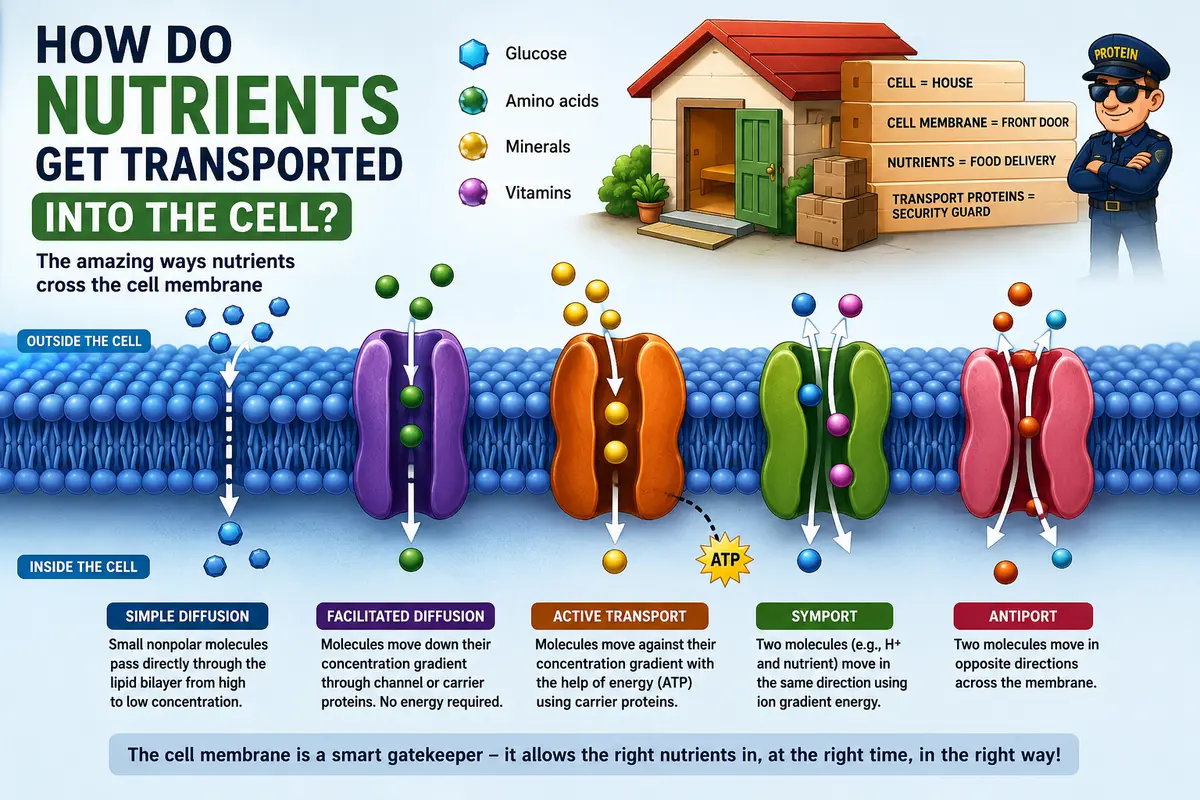
How do nutrients get transported into the cell?

How Do Nutrients Get Transported into the Cell? Learn about diffusion, facilitated diffusion, active transport, porins, carrier proteins, and group translocation with easy examples. Introduction Imagine this… You order your favorite pizza. The delivery person reaches your house, but your front door is locked. Can the pizza magically appear on your dining table? Of course … Read more
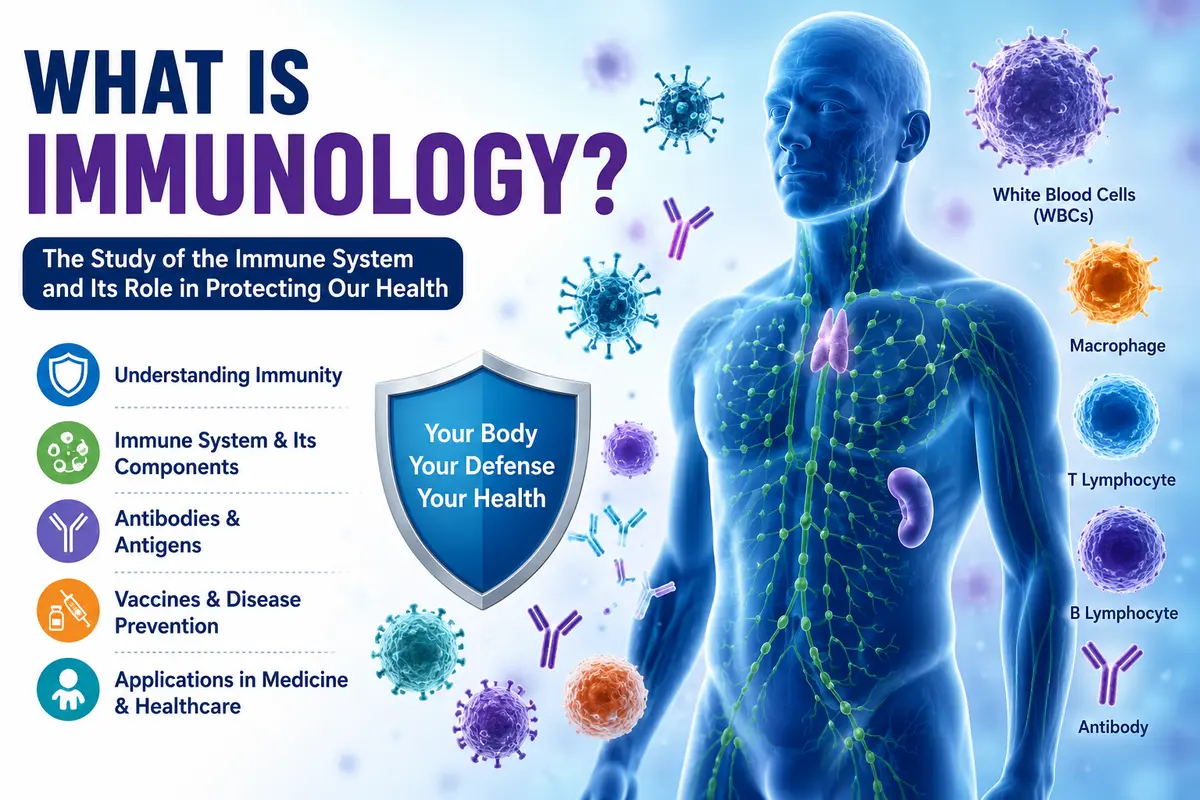
What Is Immunology in Simple Terms? 10 Important Facts Explained

What is Immunology in simple terms?

Introduction Ever wonder why most of us get over a cold or how vaccines help protect us from disease? The answer is immunology. Simply put, immunology is the study of the body’s immune system. The immune system is the natural defense system that protects us from harmful germs like bacteria, viruses, fungi, and parasites. It … Read more

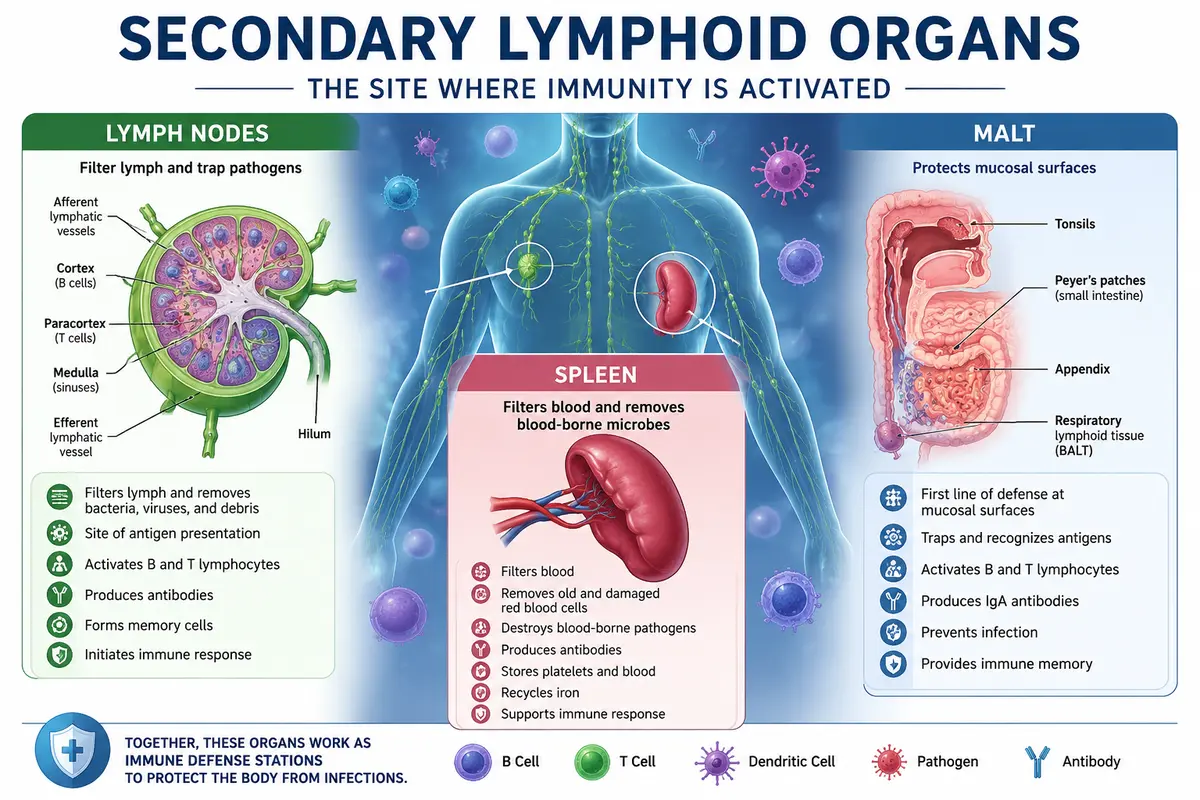
What Is the Structure and Function of Secondary Lymphoid Organs? 7 Powerful Facts You Must Know

What is the structure and function of secondary lymphoid organs?

Introduction Think of your body’s immune system like a city’s security system. Primary lymphoid organs (bone marrow and thymus) are like training academies, where immune cells are produced and trained.Secondary lymphoid organs are like security checkpoints or police stations, where trained immune cells meet germs, communicate, and start fighting infections. Imagine a school: Classrooms = … Read more

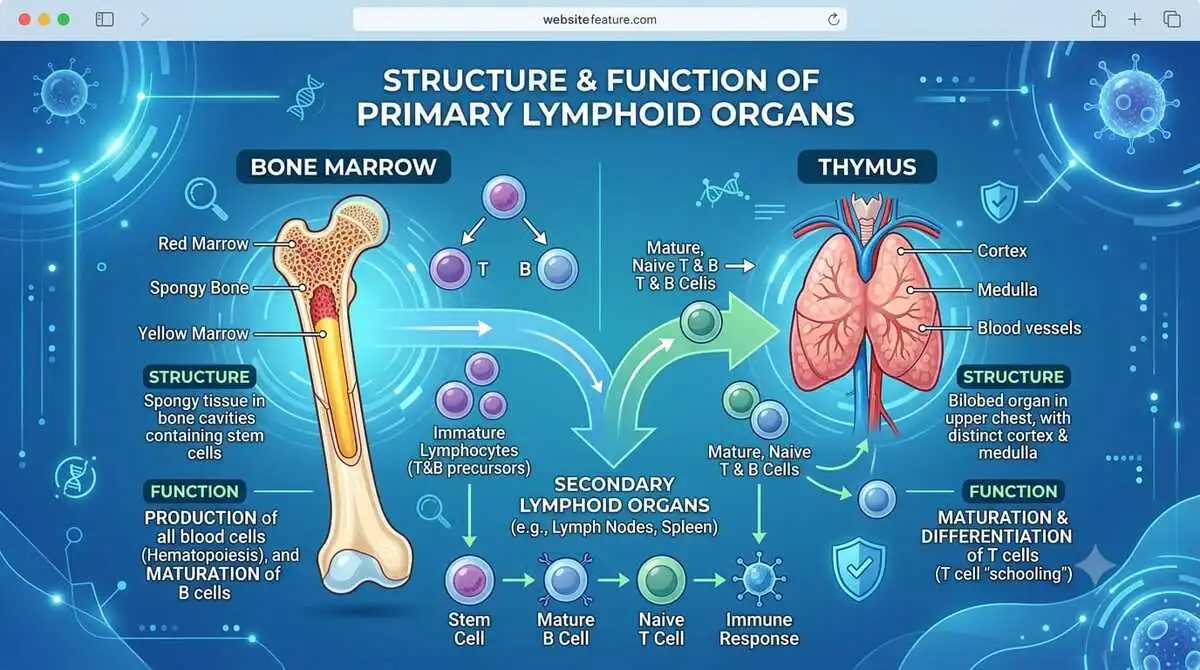
What Is the Structure and Function of Primary Lymphoid Organs? 10 best Study Facts Explained

What Is the Structure and Function of Primary Lymphoid Organs?

Learn what the structure and function of primary lymphoid organs are, including the bone marrow and thymus. Understand how these organs produce and mature B and T lymphocytes for a strong immune system. Introduction: What Is the Structure and Function of Primary Lymphoid Organs? Our body is constantly exposed to germs like bacteria and viruses … Read more

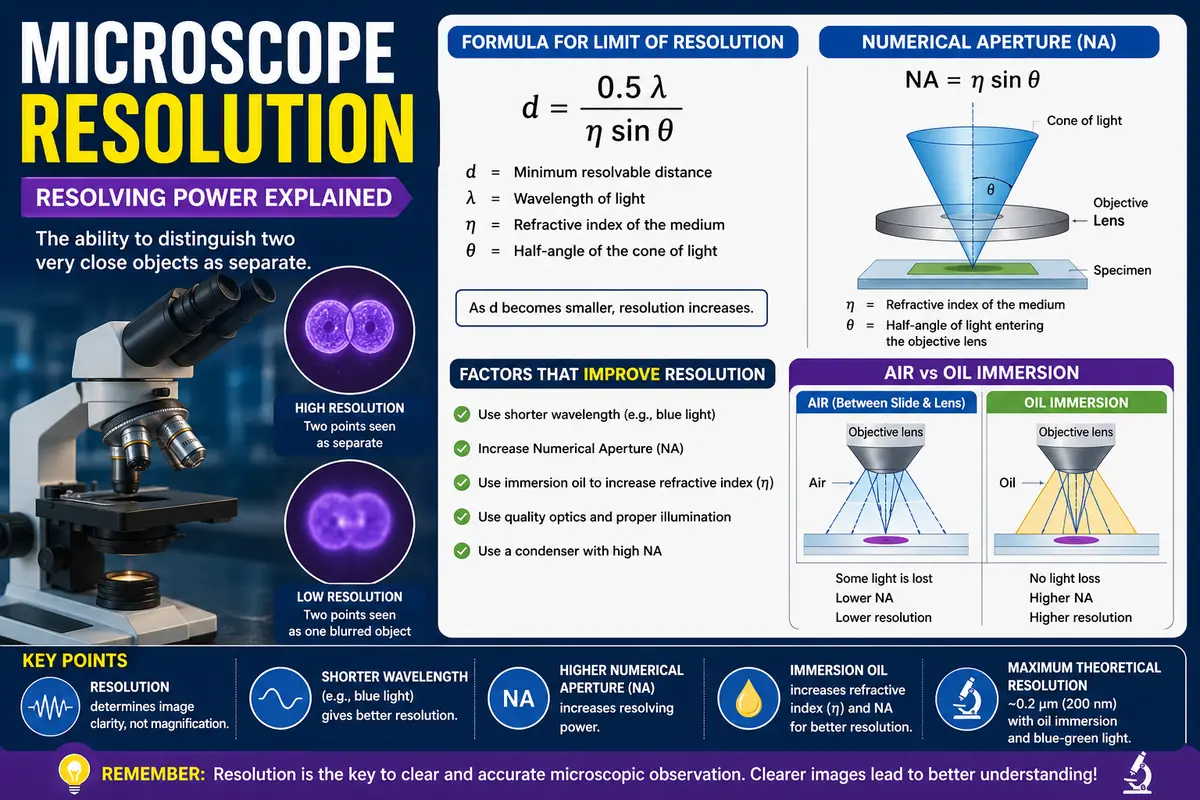
What Is the Resolution or Resolving Power of a Microscope? 7 Essential Facts Explained

What is the resolution or resolving power of a microscope?

Understand what is the resolution or resolving power of a microscope is with easy examples, a formula, factors affecting resolution, and exam notes for students. Introduction Have you ever tried to read a road sign from far away? At first, the letters look blurry, but as you move closer, they become clear, and you can … Read more

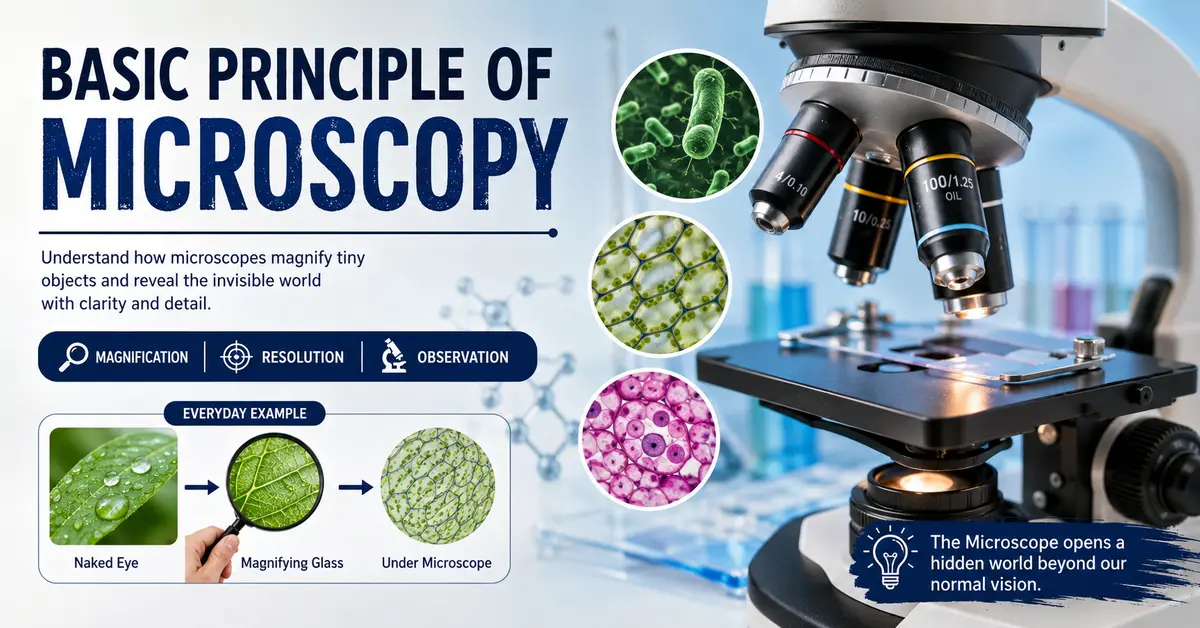
What is the Basic Principle of Microscopy? 10 Amazing Facts Every Student Must Know

What are the basic principles of microscopy?

Learn what is the basic principle of microscopy is in simple language with easy day-to-day life examples. Perfect for students to understand magnification, resolution, and microscope working. Introduction Have you ever tried to read the tiny expiry date on a medicine strip or looked closely at the fine details of a flower using a magnifying … Read more

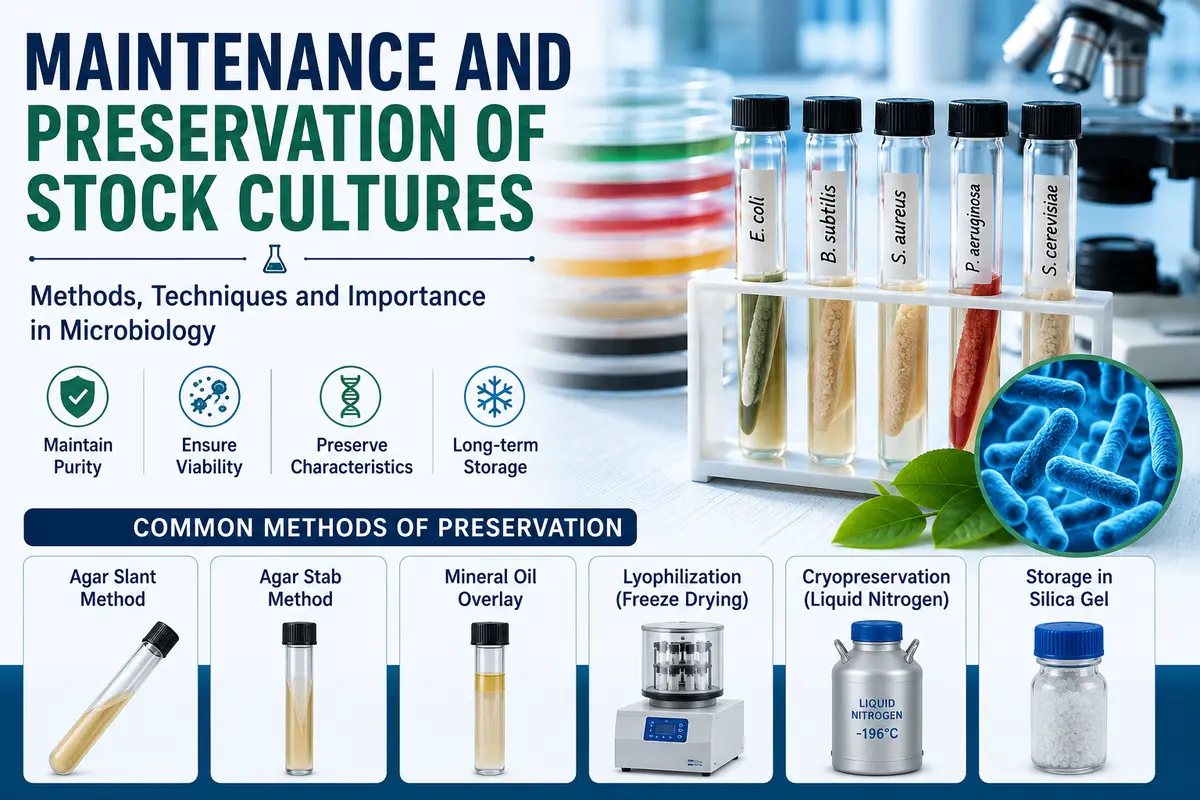
Maintenance and preservation of stock cultures:10 Powerful & Essential Techniques

Maintenance and preservation of stock cultures

Learn the maintenance and preservation of stock cultures in microbiology with easy explanations, daily life examples, advantages, and short- and long-term preservation techniques. Introduction Imagine your mother prepares homemade mango pickle every summer. She stores it in a clean, airtight glass jar so it remains fresh and tasty for many months. If the jar is … Read more

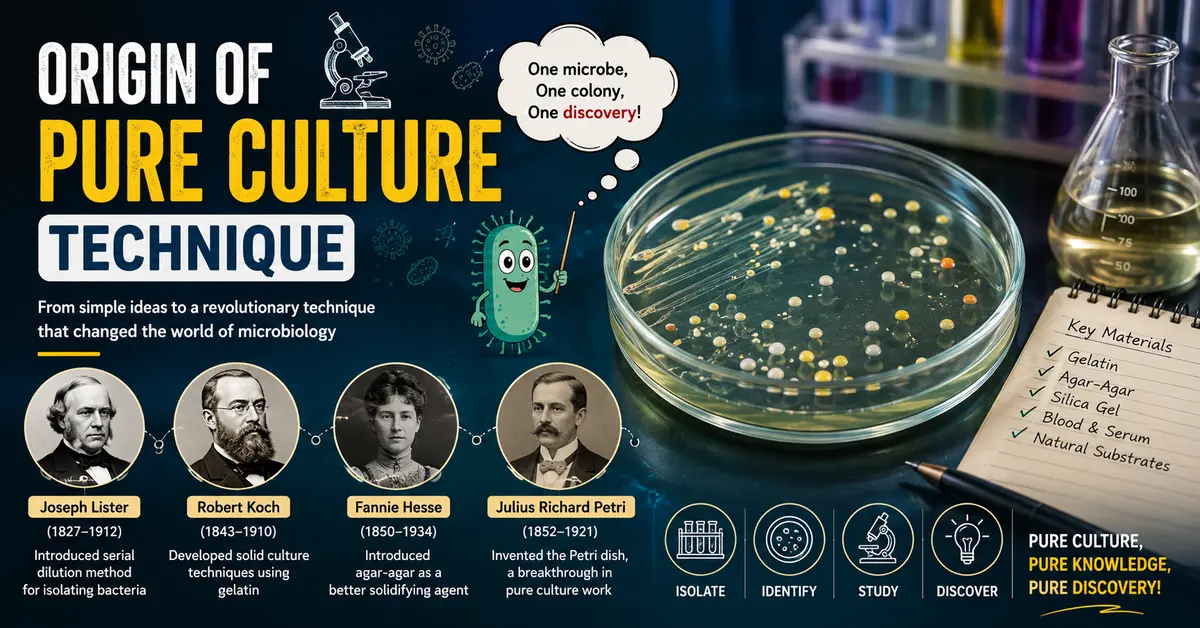
Origin of Pure Culture Technique: 7 Amazing Facts You Should Know

Origin of Pure culture Technique

Explore the origin of pure culture technique, including the contributions of Joseph Lister, Robert Koch, Fannie Hesse, agar-agar, gelatin, and the Petri dish. Learn how pure culture methods revolutionized microbiology by enabling the isolation and study of individual microorganisms. Introduction You order a plate of biryani, but someone mixes it with noodles, ice cream, and … Read more

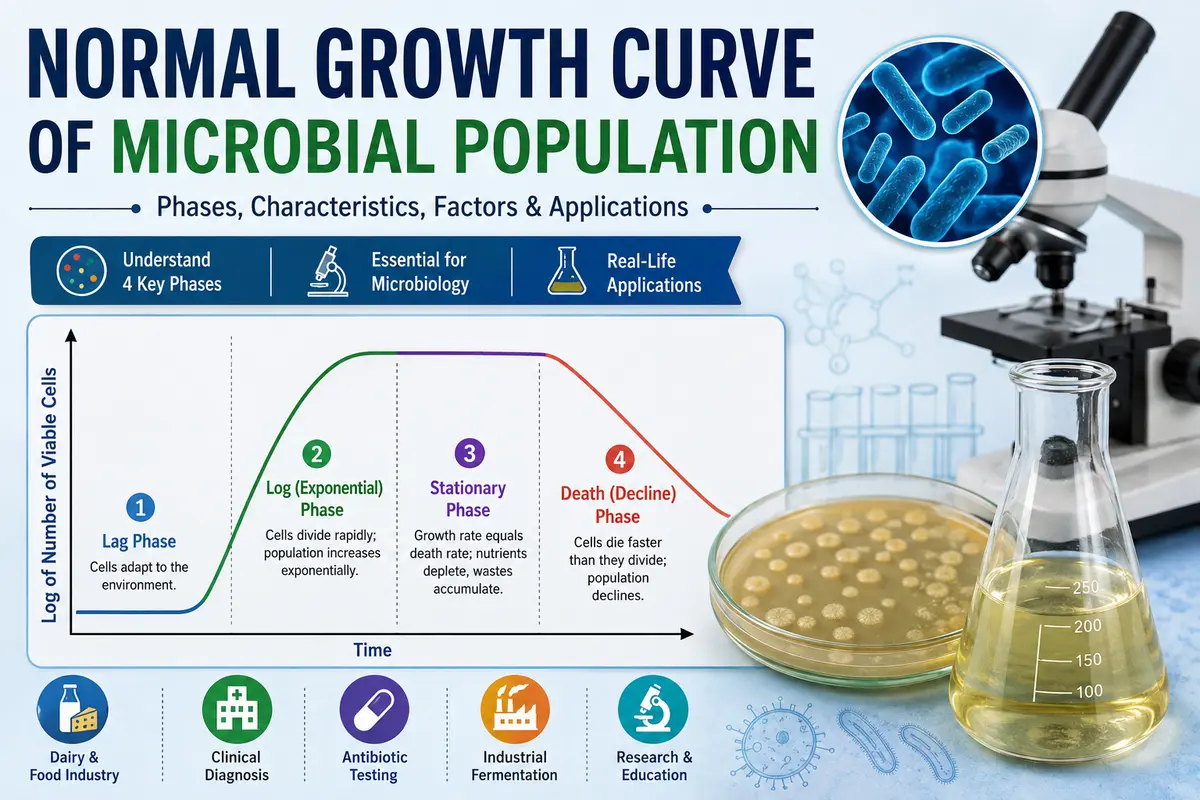
Normal growth curve of microbial population

Normal growth curve of microbial population

Learn about the normal growth curve of microbial populations, its four phases (lag, log, stationary, and death), factors affecting growth, and real-life examples. Introduction Imagine you prepare curd at home by adding a small amount of curd (starter culture) to warm milk. At first, there is no visible change because the bacteria are adapting to … Read more

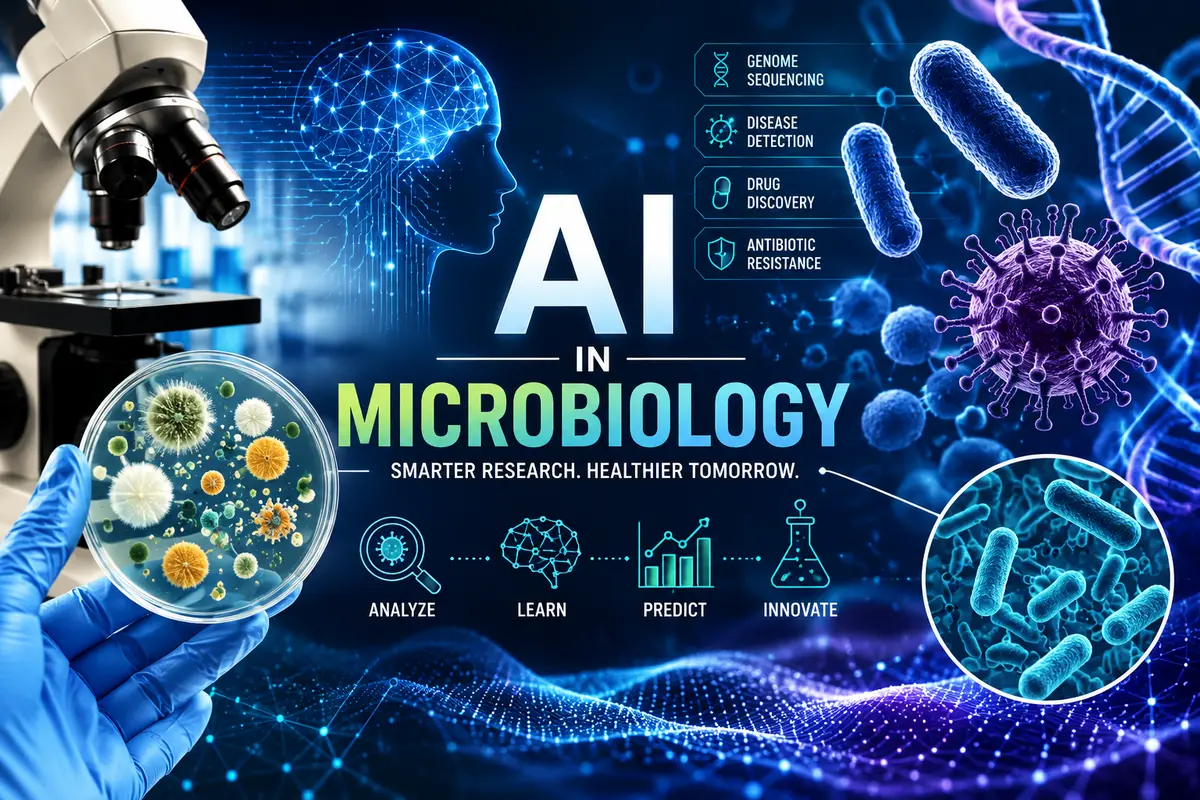
What is Artificial Intelligence in Microbiology? Top 15 Best Points.

What is Artificial Intelligence in Microbiology?

What is Artificial Intelligence in microbiology? Learn how AI helps diagnose diseases, identify microbes, predict antibiotic resistance, and transform modern healthcare. Introduction Imagine you visit a doctor because you have a high fever. Traditionally, a laboratory technician collects your sample, performs several tests, and waits for the microorganisms to grow before identifying the exact cause … Read more

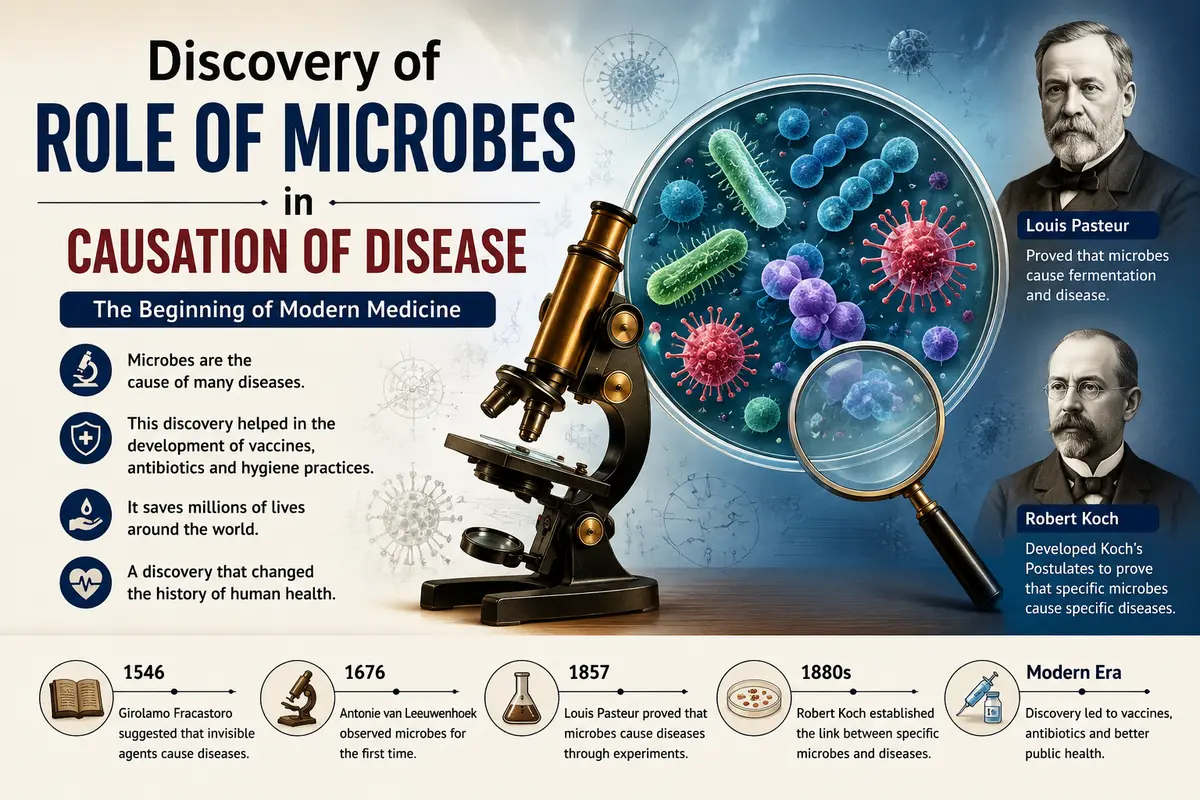
Discovery of Role of Microbes in Causation of Disease

Discovery of role of microbes in causation of disease

The discovery of role of microbes in causation of disease is one of the most important discoveries in microbiology. It proved that microorganisms such as bacteria, viruses, fungi, and protozoa are responsible for many infectious diseases. This discovery laid the foundation for modern medicine, vaccines, antibiotics, and disease prevention Learn about the discovery of the … Read more

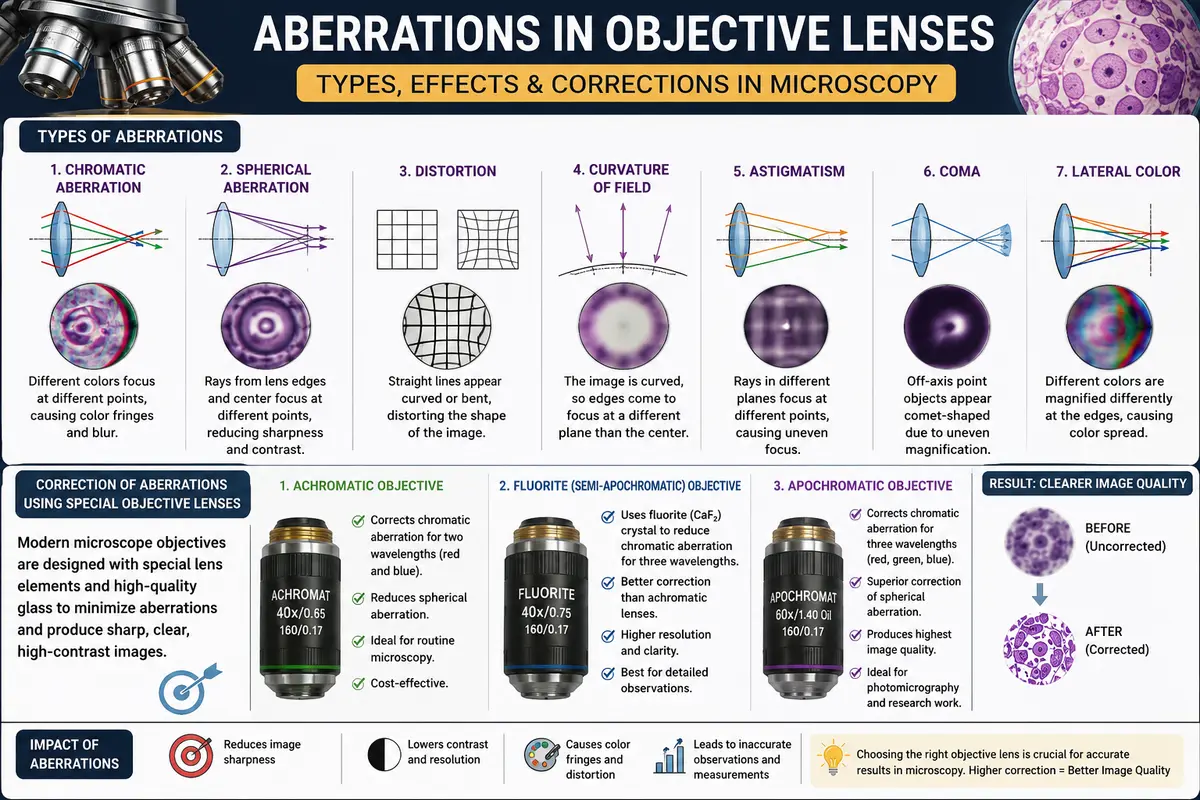
Aberrations in Objective Lenses: 7 Essential Types, Causes & Best Corrections

Aberrations in Objective Lenses

Learn about aberrations in objective lenses, including chromatic aberration, spherical aberration, distortion, astigmatism, coma, and their corrections using achromatic, fluorite, and apochromatic objective lenses in microscopy. Aberrations in objective lenses are optical defects that reduce the quality of microscopic images by preventing light rays from focusing accurately. Introduction Aberrations in the objective lens are a … Read more